
Antlers and Horns: The Forgotten Soul of Hunting
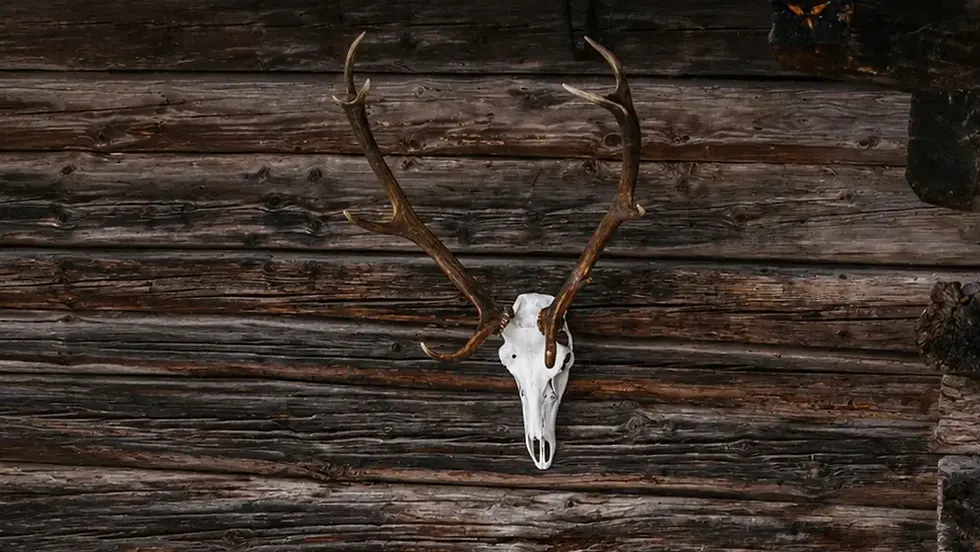
Across many hunting organizations in Central Europe, a noticeable shift is taking place. Hunting is increasingly being explained to the non-hunting public in the most rational, technical, and conflict-free way possible. Venison utilization. Population control. Sustainable wildlife management. A little conservation work. Fawn rescue. Forest protection. All important responsibilities. No question about it. But at the same time, it feels as if another part of hunting is quietly being pushed out of sight: the trophy.
Antlers, horns, skull mounts, and preserved memories of the hunt suddenly seem like something that shouldn’t be displayed too openly anymore. Some fear trophies could be misunderstood in modern society. So instead, the conversation shifts toward organic meat, biodiversity, and ecological management.
Hunting Didn't Begin With Organic Labels
What often gets ignored is that trophies have been inseparably tied to hunting since the very beginning of human history. Long before modern wildlife policies existed, Stone Age mammoth hunters decorated their camps with skulls, tusks, and bones. Not out of arrogance or vanity — but because those objects carried meaning. They told stories of danger, survival, courage, and skill in a brutal world.
A hunting trophy was never just decoration. It was memory.It was respect for the animal taken.And it was proof that humans were part of nature — not merely observers of it.
Antlers as Symbols of History and Culture
Throughout the Middle Ages, trophies remained deeply woven into European hunting culture. Castles, hunting lodges, and great halls proudly displayed massive stag antlers. Kings and noblemen used them not only to symbolize power and wealth, but also to showcase hunting skill and the importance of the hunt itself. Even today, old antlers hanging in historic hunting rooms still tell stories about landscapes, wildlife populations, and generations long gone. They are cultural artifacts.
And yet, modern hunting organizations often seem eager to downplay exactly this part of hunting culture. Maybe out of fear of criticism.Maybe because modern communication strategies want hunting to appear easier to justify.
When Hunting Becomes Pure Management

But that’s where the mistake begins. People quickly recognize when something is artificially softened or sanitized. And the truth is simple: trophies matter to hunters. They always have.
Not every hunter pursues giant antlers. And hunting should never be reduced to pure trophy obsession. But pretending trophies are nothing more than embarrassing relics of the past ignores the emotional and cultural depth of hunting itself.
To many hunters, an old roe buck mounted on the wall is not just “bone material.” Behind it lies a story. A cold morning in May. A difficult stalk. A memory shared with a father or grandfather. Maybe the first buck of a lifetime. Maybe an ancient stag from a piece of country hunted for decades.
Trophies preserve memories.
Hunting Should Remain Honest
And that is exactly why they still matter today. Modern hunting does not need to be ashamed of its traditions. Because when hunting is explained only through venison production, harvest numbers, and wildlife management, it loses part of its soul. What remains is nothing more than a sterile administrative task dressed in camouflage.
But hunting was never purely rational. And it probably never will be.

Comments