
Are Climate Change and Drought Creating Smaller Roe Bucks?
- Jun 4
- 4 min read

When hunters talk about climate change, the conversation usually revolves around drought, bark beetle outbreaks, dying forests, or changing habitat conditions. Far less attention is paid to another important question: What happens to the wildlife living in those landscapes?
The reality is that climate change isn’t just reshaping forests and fields—it is also altering the conditions under which wild animals survive and thrive. Few species illustrate this better than the roe deer.
Known as one of Europe’s most adaptable big-game animals, roe deer can be found almost everywhere: in river valleys, agricultural landscapes, vineyards, dense forests, and high alpine environments. Their ability to occupy such diverse habitats has long been one of their greatest strengths.
Yet hunters and wildlife biologists alike are beginning to notice that even roe deer are not immune to change.
Are Roe Deer Benefiting from Climate Change?
At first glance, the answer might seem to be yes. Spring arrives noticeably earlier today than it did just a few decades ago. Vegetation greens up sooner, meadows reach peak productivity earlier, and food resources become available weeks ahead of historical norms.
For roe deer does, this appears beneficial. During pregnancy, nutritious forage is abundant, and young fawns are often born into landscapes rich in food. But nature rarely offers simple answers.
The reproductive cycle of roe deer follows an ancient biological rhythm. Thanks to a phenomenon known as delayed implantation, embryo development is postponed for several months, ensuring that fawns are typically born in May or June. While plant growth continues shifting earlier each year, the timing of fawn births remains largely unchanged.
Some wildlife researchers believe this growing mismatch could eventually affect fawn development and survival.
When Summer Becomes a Stress Test

For generations, harsh winters were considered the greatest challenge facing roe deer. Today, many biologists are focusing on something different: heat.
Across Europe, hunters increasingly report that roe deer become less visible during prolonged heat waves. Activity shifts toward dawn, dusk, and nighttime hours, while daytime is spent in shady cover, moist drainages, dense thickets, or along forest edges.
For hunters, that often means fewer sightings and more challenging hunting conditions.
For the deer themselves, these behavioral changes are essential for survival. Extreme heat increases physiological stress while simultaneously reducing the quality of available forage.
Why Quality Browse Is Becoming Harder to Find
Unlike red deer or chamois, roe deer are highly selective feeders. They are browsers rather than grazers, preferring nutrient-rich shoots, buds, herbs, and young vegetation. Unfortunately, many of these high-quality food sources are particularly vulnerable to drought.
As meadows dry out and herbaceous plants wither earlier in the season, roe deer increasingly turn to young trees and woody vegetation for nutrition. This shift could also increase browsing pressure on regenerating forests—a topic already generating considerable debate among foresters and wildlife managers.
Will Tomorrow's Bucks Carry Smaller Antlers?
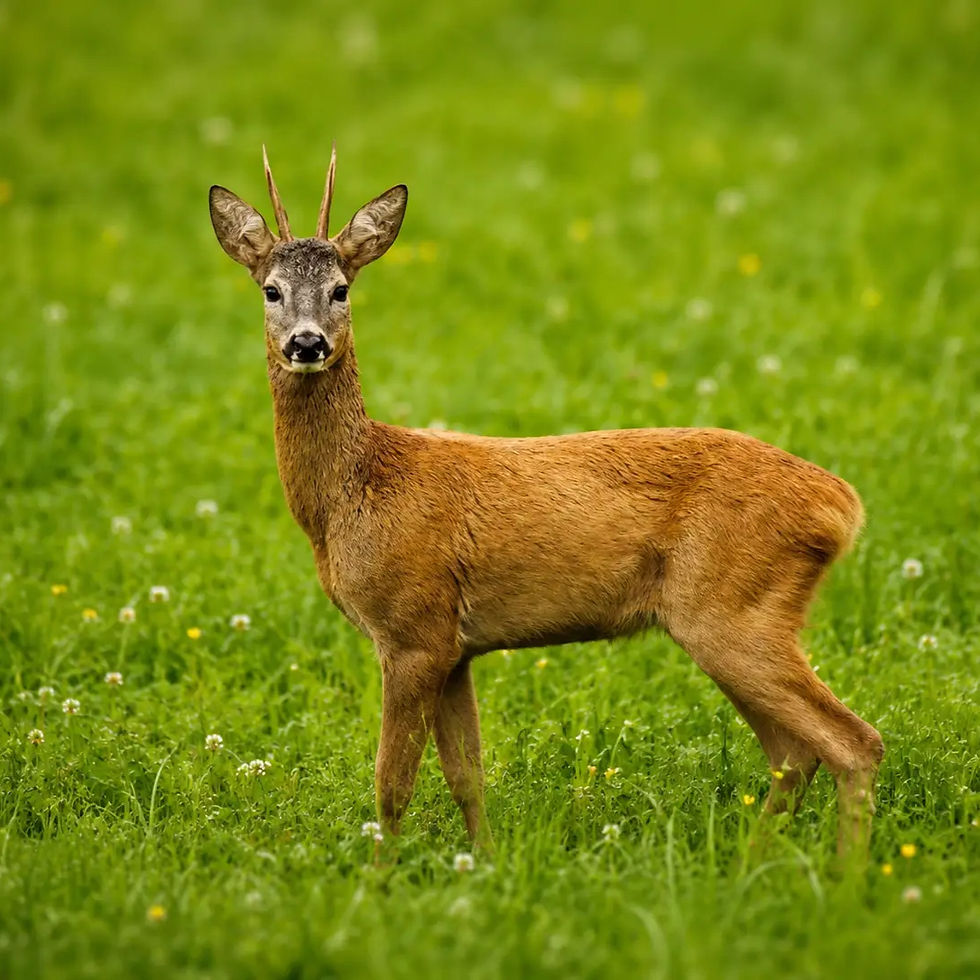
This is perhaps the question that captures hunters’ attention most. Could climate change eventually affect antler development? Strong antlers are influenced by many factors, including genetics, age, nutrition, and overall habitat quality. A buck can only express the genetic potential that its environment allows.
This is where some wildlife biologists see cause for concern.
If drought reduces the availability of protein-rich plants and critical minerals during a deer’s early development, it may ultimately influence body growth and antler formation. In parts of Europe, researchers have already observed links between prolonged drought, lower body weights, and weaker antler characteristics.
Austrian hunters frequently report similar observations after exceptionally dry years. Bucks often appear lighter and may carry less impressive headgear than expected.
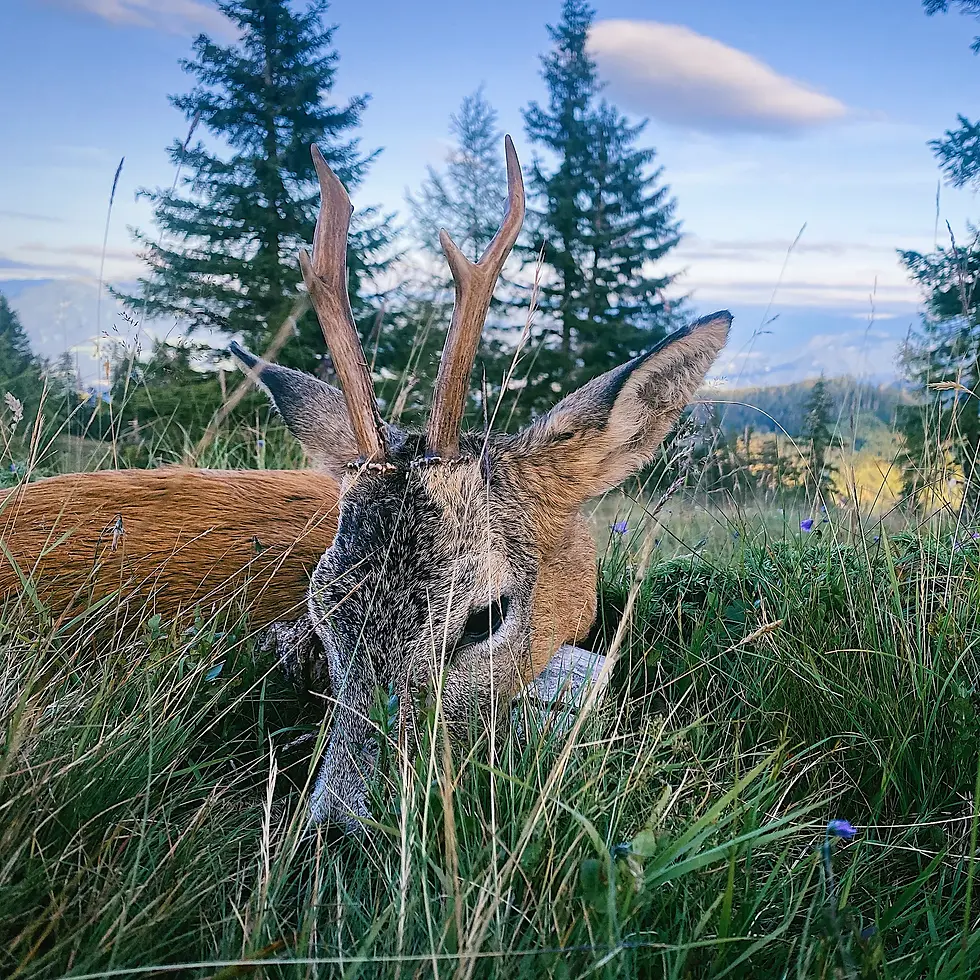
Scientific proof remains difficult, however. Population density, genetics, age structure, habitat conditions, and harvest management all play significant roles.
Still, the discussion raises an interesting possibility.
For decades, large antlers have been viewed as a symbol of a healthy buck and a well-managed hunting property. In a future shaped by drought, extreme weather, and changing habitats, antler quality may increasingly reflect habitat quality as much as individual genetics.
Small Parasites, Big Consequences
Climate change affects more than forage. Milder winters and longer growing seasons create ideal conditions for ticks, mosquitoes, and other parasites. Many hunters already report significantly higher tick densities than they experienced a generation ago.
At the same time, diseases and parasites previously uncommon in Central Europe may continue expanding their range. While many of these developments are still being studied, one fact is already clear: as the climate changes, so do the ecosystems roe deer depend upon.
Roe Deer Can Adapt - But They Have Limits
Despite these challenges, roe deer may remain one of the most successful wildlife species in Europe. Milder winters reduce energy demands and make food easier to access. Their remarkable adaptability allows them to exploit new habitats and adjust to changing conditions more effectively than many other species.
But adaptability does not mean invincibility.
The Mature Six-Pointer and a New Reality

Perhaps roe deer will still be among Europe’s most common big-game species a century from now. Perhaps hunters will continue stalking velvet-free summer bucks in the first light of dawn.
The more important question may be whether we are willing to recognize that not only nature is changing—but also our understanding of wildlife, habitat management, and hunting itself.
Climate change is unlikely to eliminate roe deer from the landscape.
But it may change how they live, how they grow, and how we judge them.
One day, the size of a buck’s antlers may tell us less about the deer itself and more about the quality of the habitat that produced it.
And that may be a lesson worth more than any trophy score.


Comments