
Forest Roads and Wildlife: When Animals Can No Longer Find Peace

Across Austria, growing pressure from recreation, forestry, and hunting is reshaping the last remaining refuges of mountain wildlife. The mountain biker is frustrated by the hunter driving a pickup truck up a forest road. The hunter is frustrated by the mountain biker riding through the hunting area at dusk. The landowner doesn’t understand either of them—after all, it’s his road. And the hiker wonders why he should be the one expected to make compromises.
The interesting part? They all have a point.
That’s exactly why discussions about forest roads have become so emotional. These debates are no longer about gravel roads winding through the woods. They’re about something much deeper: property rights, personal freedom, conservation, and the human tendency to view our own perspective as the only reasonable one.
The Center of Our Own World
Psychologists call it self-serving bias. People naturally see their own interests as justified while viewing the interests of others as inconvenient or unreasonable. Few places in the Alps illustrate this phenomenon better than a forest road.
Originally, these roads were never intended for recreation. They were built to transport timber, manage alpine pastures, and provide access to hunting grounds. Today, they serve as hiking trails, mountain bike routes, emergency access roads, workplaces, and gateways into nature—all at the same time.

The Hidden Highways of the Mountains
With approximately 135,000 miles (218,000 kilometers) of forest roads, Austria possesses one of the densest networks in Europe. For many people, these roads have become the front door to the mountains. The rise of e-mountain bikes has accelerated that transformation dramatically.
Where only a handful of hikers once traveled, a wide variety of users now share the same landscape. Foresters inspect bark beetle damage. Farmers haul supplies to remote alpine huts. Hunters monitor wildlife movements. At the same time, hikers and cyclists are searching for adventure, exercise, and solitude.
The problem isn’t that one group is right and another is wrong. The problem is that everyone is using the same space—but for very different reasons. To hunters, forest roads are tools and access routes. To mountain bikers, they’re a pathway to freedom and exploration. To landowners, they’re private infrastructure. To hikers, they’re simply part of the natural landscape.
Conflict becomes inevitable when expectations collide.
When Wildlife Starts Moving Away
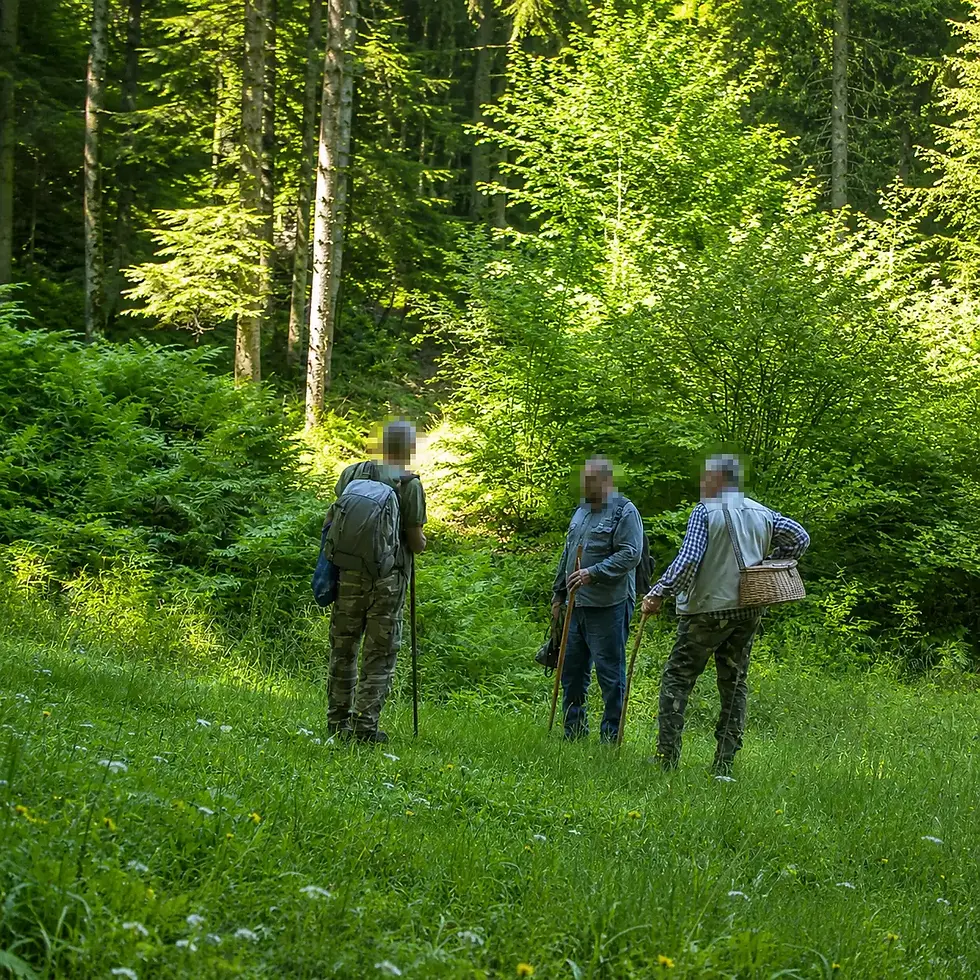
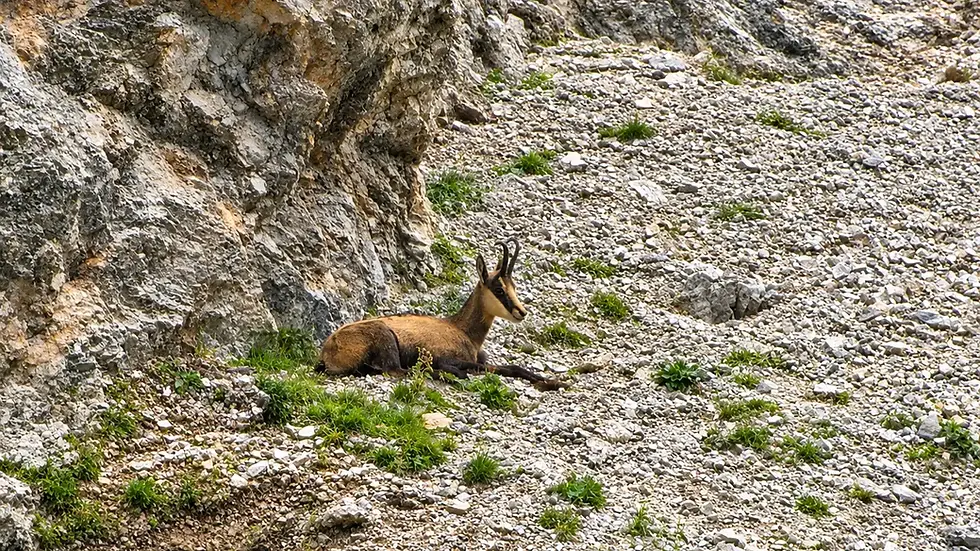
The consequences become especially visible during the most sensitive times of day. Early mornings and late evenings are exactly when deer, red stags, and chamois become active. Not coincidentally, those are also the hours when many people seek peace and solitude in the mountains.
For wildlife, however, increased human activity often means increased stress. Studies have shown that animals increasingly retreat into more remote cover and shift their activity patterns to avoid human encounters.
Hunters and wildlife biologists in heavily visited regions report a similar trend: game animals are seeking refuge in places where people rarely venture. As recreation expands, secure habitat shrinks. Disturbance increases.
And true quiet becomes harder to find.
The Search for Freedom
At the same time, simple blame doesn’t solve anything. The mountains attract people today for the same reasons they always have. Whether hunter, hiker, biker, or forester, most are searching for remarkably similar things: nature, peace, and a sense of freedom.
The mountain biker wants to escape daily life. The hiker seeks solitude. The hunter hopes for meaningful encounters with wildlife. The forester works to ensure the future of the forest. Their motivations may be more alike than many realize.
More Than Just a Road

Perhaps that’s why a forest road is far more than a strip of gravel through the woods. It has become a place where different visions of nature collide.
It reveals how differently people experience the same landscape—and how difficult it has become to balance individual desires with collective responsibility.
Because in the end, every forest road raises the same question:
Who Owns the Silence?
How much of nature do we want to use? And how much are we willing to leave for others—including wildlife? The future of mountain landscapes may not be decided on summits, in government offices, or at political conferences.
It may be decided on a simple forest road somewhere between the valley floor and an alpine meadow. A place where people meet every day—and where each of them believes they’re in the right.


Comments