
The Wolf Is Back in Central Europe - and He's Here to Stay

He arrives quietly. Not as a legend from old hunting books, but as a real, physical presence on today’s hunting grounds. The wolf has returned to Central Europe — and recent studies from the past two years paint a picture far more nuanced than any heated debate. For Schuss & Stille, it’s worth taking a close, honest look. Without ideology. With respect for facts, hunting practice, and the landscape itself.
A Conservation Success - with Complications
By the numbers, the comeback is remarkable. More than 21,000 wolves now roam Europe. New packs are forming in the Alps, the Carpathians, and the Dinaric Mountains. Territories are expanding, connecting, overlapping. Borders mean little. Biologists call it one of the most successful recoveries of a large predator anywhere in the world.
But success depends on perspective. Because these same studies make one thing clear: wolves are not returning to untouched wilderness. They are moving into a working landscape — alpine pastures, hunting leases, grazing land. And that’s where the real challenge begins.
Mobile, Connected, Unstoppable
Genetic research across Central Europe shows just how mobile wolves truly are. Animals from Slovenia turn up in Austria, Carpathian wolves mix with Alpine populations, dispersing individuals close genetic gaps across the continent. Even if a region were completely cleared of wolves, new arrivals could fill the void within months.
For wildlife management, that’s an uncomfortable reality. Local solutions alone won’t work. Wolves don’t recognize state borders — and they don’t respond to paperwork.
Conflict Is No Longer the Exception
As wolf numbers grow, so do conflicts — a pattern confirmed by nearly every recent study. Livestock losses increase where herd protection is lacking or difficult to implement. In alpine regions especially, tensions run high as traditional grazing, tourism, hunting, and conservation all compete for the same terrain.
One issue long pushed aside is now getting scientific attention: attacks on dogs. Hunting dogs in particular, but also free-running companion dogs, are increasingly affected. More than 2,300 documented cases across Europe between 1999 and 2024 show a clear trend: the wolf is no longer just a fleeting shadow. He defends territory and reacts to perceived rivals — instinctively, not emotionally.
The Wolf as an Ecological Game-Changer
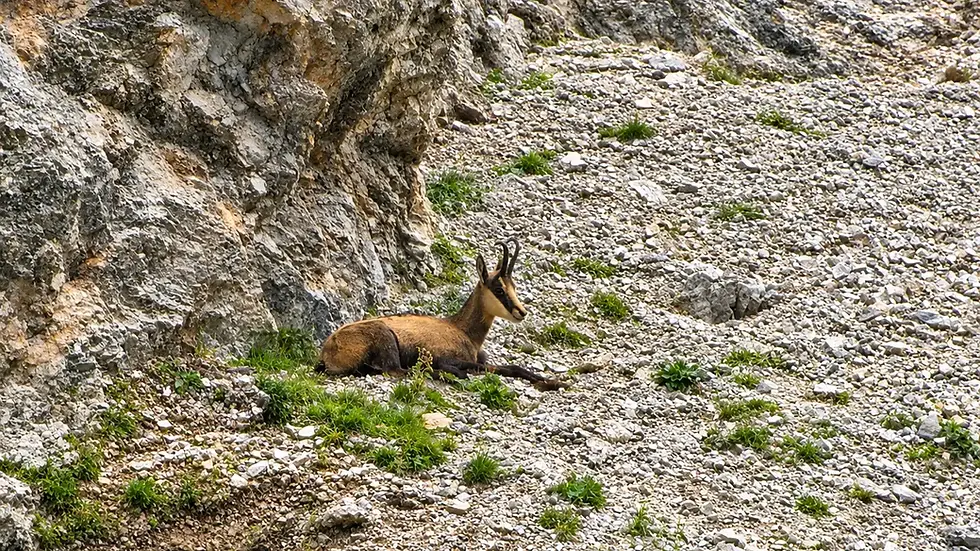
Ecologically, the picture remains mixed. New research shows wolves altering ungulate populations and behavior — affecting roe deer, red deer, and chamois. In some places, this brings benefits: reduced browsing pressure, more natural movement patterns. Elsewhere, it creates new imbalances, particularly where large predators were absent for decades and hunting systems adapted accordingly.
The wolf is not a relic of the past. He’s a new player in a system long shaped by human hands.
Protection Status vs. Reality on the Ground
The political dimension adds fuel to the fire. Despite growing populations, several studies conclude that wolves have not yet reached a “favorable conservation status” across Europe — at least by strict scientific standards. At the same time, the EU has recently eased protection levels, giving member states more flexibility — and more responsibility.
For hunters, the issue isn’t symbolism. It’s practicality. How do we manage coexistence in a way that respects wildlife, livestock, and rural communities alike?
What Remains
These studies are neither an indictment nor a blank check. What they show, above all, is this: the wolf is here to stay. He demands realism over rhetoric, management over romance, and an honest conversation beyond extremes.
At Schuss & Stille, one thing is clear: hunting is stewardship of the whole system. The wolf is now part of that system. Ignoring him would be just as wrong as idealizing him. What’s needed today is knowledge — and the willingness to accept uncomfortable truths.


Comments