
Quieter, Sharper, More Deliberate: Why Female Hunters Often Hunt Differently

When the first light of May spills across alpine meadows and game slowly retreats to cover, success in the field isn’t just about experience—it’s about how you hunt. And more and more, seasoned hunters are noticing a difference: women often bring a distinct approach. Quieter. More focused. More deliberate.
An Eye for Detail
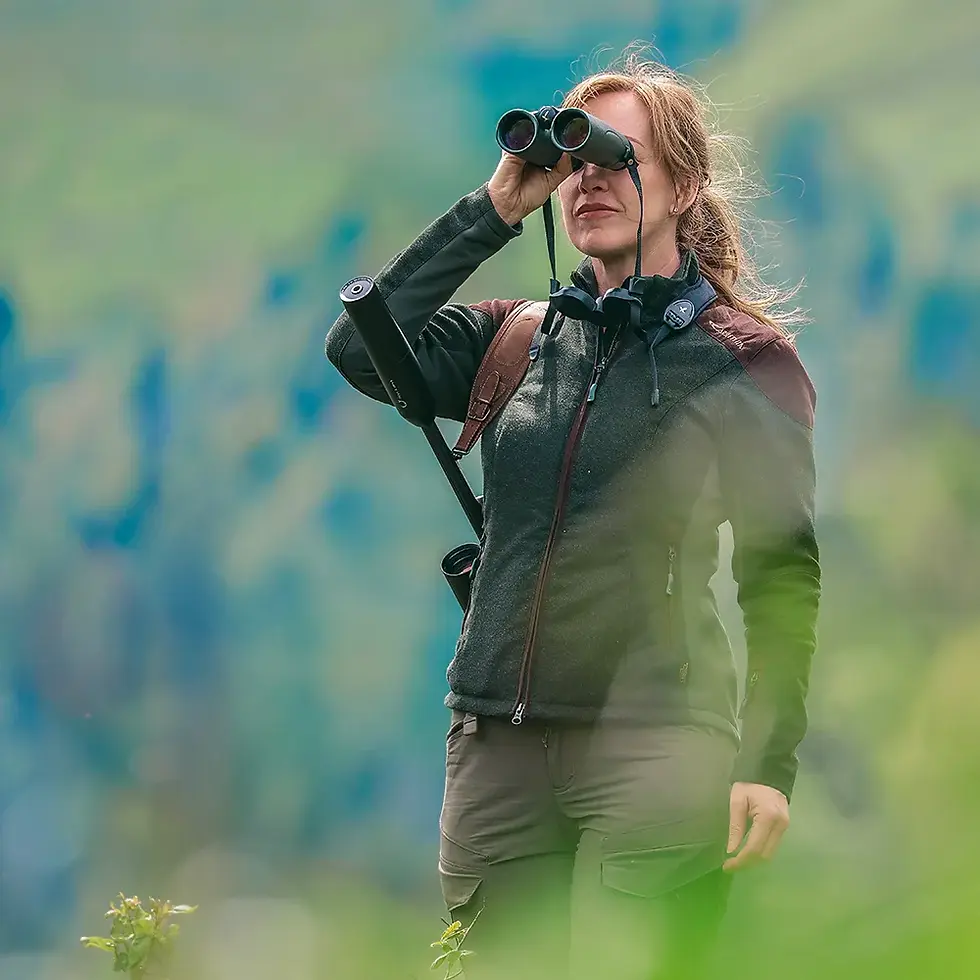
Spend time in the field with female hunters and one thing becomes clear: they observe longer, move less, and read the landscape more carefully. That instinct isn’t accidental.
Behavioral researchers at the University of Cambridge have shown that women often process visual stimuli in a more detail-oriented way, while men tend to approach tasks more systemically and goal-driven. Studies out of the U.S., including work by the City University of New York, also suggest that women are better at detecting subtle differences in color and contrast.
In practical terms, that means earlier detection of movement, a sharper read of light and shadow—and often a crucial edge when it matters most.
The Moment Before the Shot
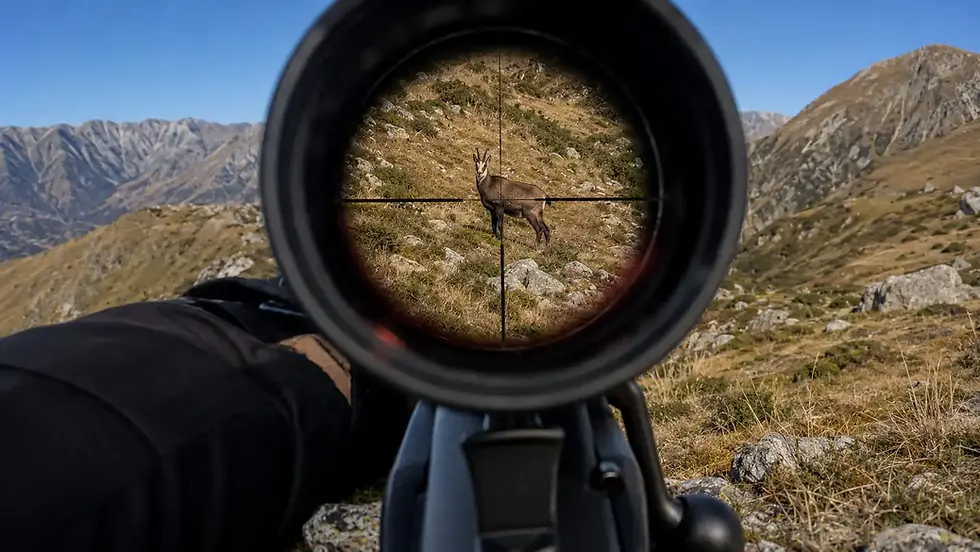
The difference becomes even more apparent when things get serious—when the finger meets the trigger.
Female hunters often make more conservative decisions. The shot is taken only when everything lines up. No rush. No forcing the moment.

This tendency toward risk-aware decision-making is well documented. A broad analysis by Byrnes, Miller, and Schafer found that women, on average, take fewer risks across a wide range of situations.
In the field, that translates to fewer forced opportunities—and more clean, ethical shots. Many professional hunters confirm that this calm, disciplined approach leads to greater long-term success and, above all, stronger adherence to ethical hunting standards.
Experience Over Outcome
Motivation often differs as well. While many male hunters—consciously or not—focus on the harvest, female hunters frequently place greater value on the overall experience. Surveys from the German Hunting Association support this: women consistently rank nature, solitude, and observing wildlife as primary motivations.
The shot matters—but it’s not the only measure. That shift changes everything. Less pressure. More patience. And from that patience come better decisions.
Structure in the Field
Another point often raised by land managers and outfitters: female hunters tend to work more systematically.
Planning, documentation, sustainable game management—these are approached with consistency and discipline. Research into decision-making behavior, including studies by Croson and Gneezy, suggests that women often think more long-term and weigh risks more carefully—traits that are increasingly important in modern wildlife management.
A Shift That Benefits Hunting

The number of female hunters is rising—across Europe and beyond. And with it, hunting itself is evolving.
Not dramatically. Not loudly. But steadily.
In the end, it’s not about who hunts “better.” It’s about how. And here, many female hunters demonstrate something essential: precision isn’t found in the fastest shot—but in the right moment.
In pausing.In observing.In deciding.
Or, as it’s often said in the field:in the silence before the shot.

Comments